How Thoughtful Design is Transforming Modern Hospitality Developments
In today’s competitive hospitality and real estate landscape, resort developments are no longer judged solely by their location or amenities. Guests, investors, and developers increasingly seek destinations that offer memorable experiences, aesthetic appeal, comfort, and long-term value. At the heart of this transformation lies smart architecture—the art of combining functionality, sustainability, innovation, and visual excellence to create iconic resort spaces.
Modern resort architecture has evolved far beyond traditional design principles. Today’s successful developments are carefully planned environments that seamlessly integrate natural surroundings, contemporary design, guest comfort, and operational efficiency. Through intelligent planning and architectural innovation, resorts are becoming landmarks that attract visitors and generate lasting value for stakeholders.
The Shift Towards Experience-Driven Design
Modern travelers are looking for more than just accommodation. They seek experiences that help them disconnect from routine life and reconnect with nature, wellness, culture, and luxury. As a result, architects and developers are focusing on creating immersive environments rather than simply constructing buildings.
Every aspect of a resort—from arrival experiences and landscaping to room layouts and recreational facilities—is designed to contribute to a cohesive guest journey. Open spaces, scenic viewpoints, water features, natural materials, and thoughtfully planned common areas all play a role in enhancing the overall experience.
Smart architectural planning ensures that every element serves both functional and emotional purposes, creating environments that leave lasting impressions on visitors.
Integrating Architecture with Nature
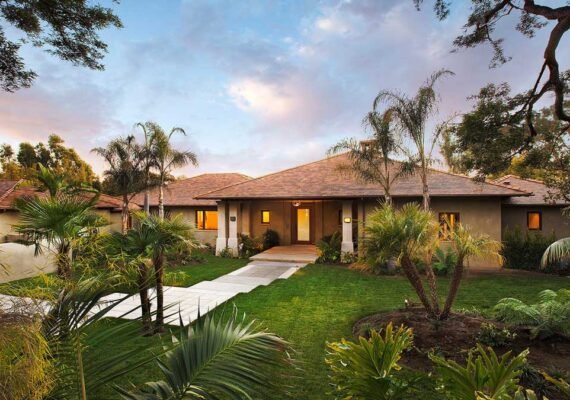
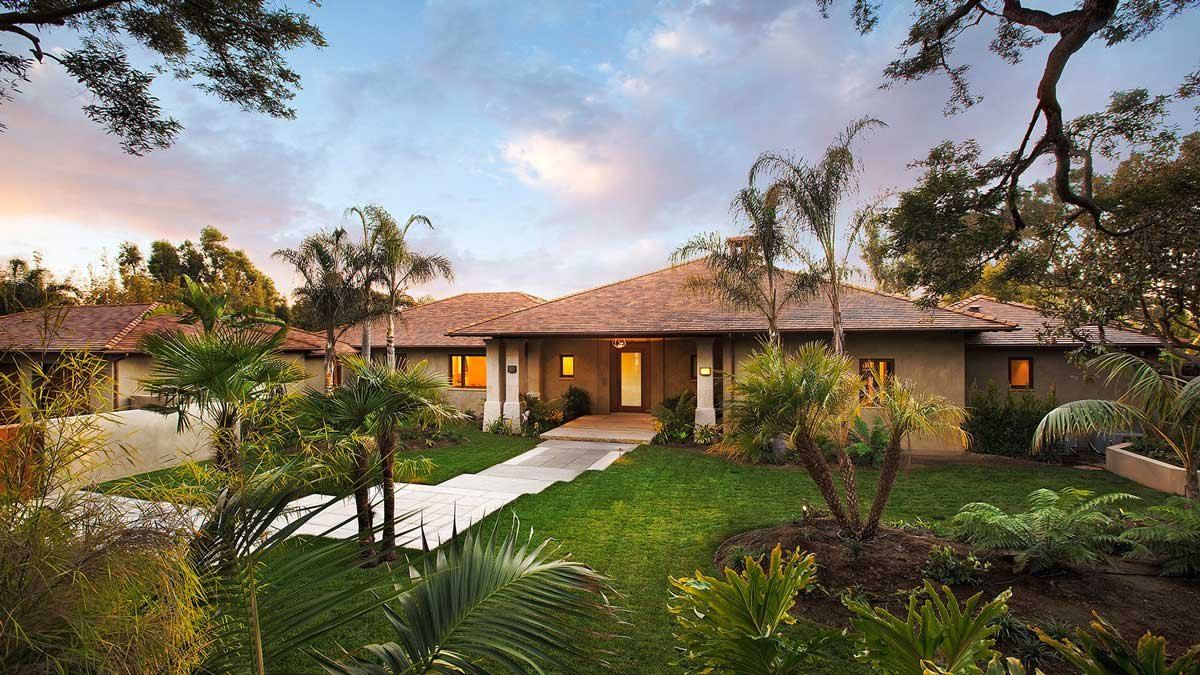
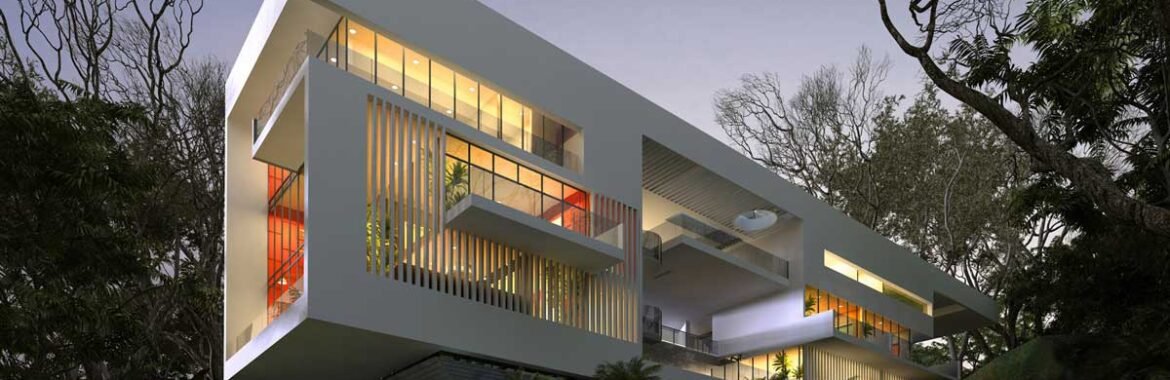
One of the defining characteristics of successful resort developments is their ability to blend harmoniously with the surrounding environment. Rather than competing with nature, modern architecture seeks to complement it.
Architects increasingly use:
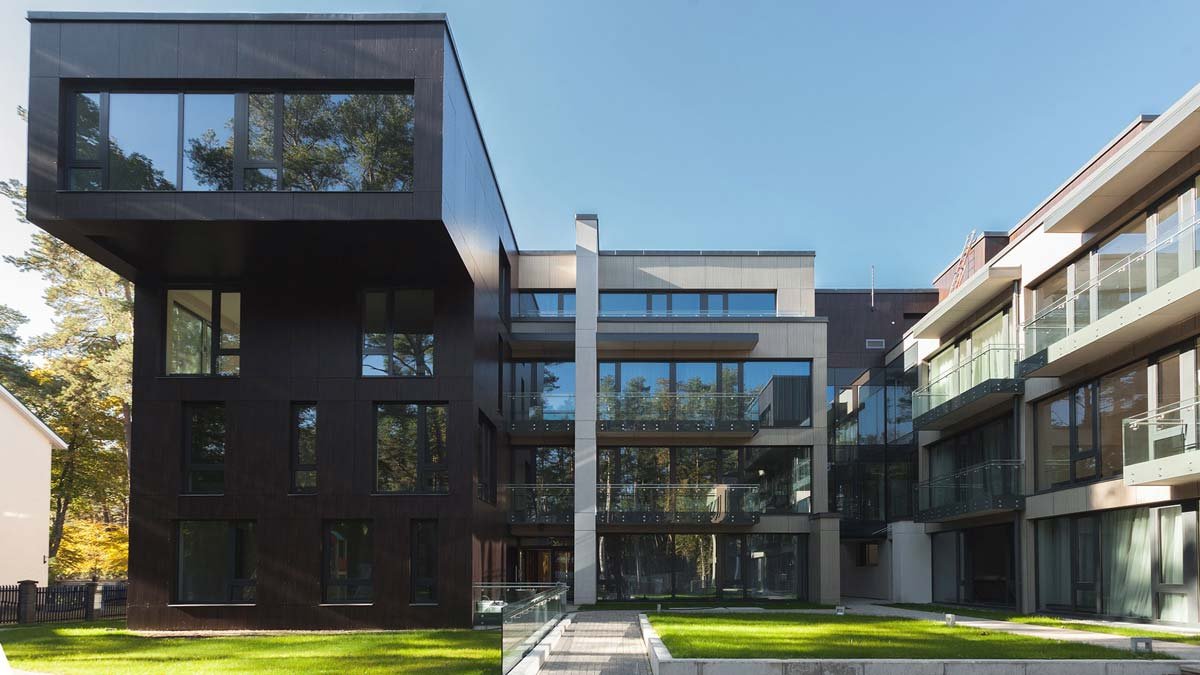
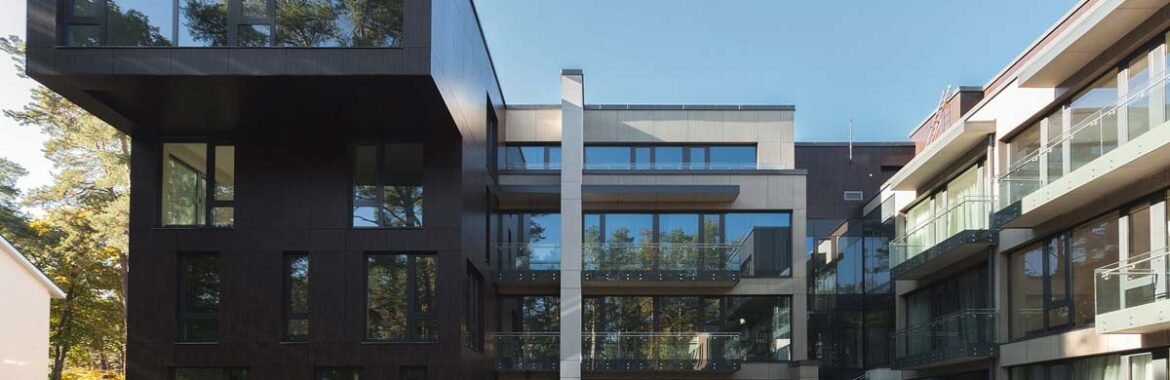
- Large glass facades to maximize natural views
- Open-air spaces that encourage outdoor living
- Sustainable materials that reduce environmental impact
- Natural ventilation systems
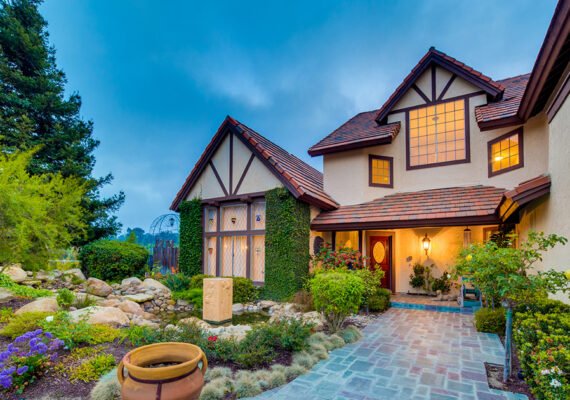
- Landscaped pathways and gardens
- Water features that enhance visual appeal
This integration creates a stronger connection between guests and the environment while improving the overall atmosphere of the resort.
Properties that embrace natural surroundings often enjoy higher occupancy rates and stronger long-term appeal because they offer experiences that cannot easily be replicated elsewhere.
Smart Space Planning for Guest Comfort
Creating a successful resort requires more than beautiful structures. Every square foot must be designed with purpose.
Effective space planning focuses on:
- Maximizing usable areas
- Ensuring privacy for guests
- Creating smooth movement throughout the property
- Enhancing accessibility
- Improving operational efficiency
Well-planned resorts ensure that guests can easily access amenities while maintaining a sense of exclusivity and comfort. Public spaces, accommodation zones, recreational facilities, and service areas are strategically positioned to create a balanced and enjoyable environment.
The result is a resort that feels spacious, comfortable, and intuitive to navigate.
Sustainability as a Design Priority
Sustainability has become a central consideration in modern resort architecture. Developers and investors increasingly recognize the long-term benefits of environmentally responsible design.
Common sustainable features include:
- Energy-efficient lighting systems
- Solar power integration
- Rainwater harvesting
- Waste management systems
- Eco-friendly construction materials
- Water conservation technologies
- Green roofs and landscaped terraces
Sustainable architecture not only reduces operational costs but also appeals to environmentally conscious travelers who actively seek responsible hospitality experiences.
As environmental awareness continues to grow, sustainable design is becoming both a practical necessity and a competitive advantage.
Creating Distinctive Architectural Identity
Iconic resorts often become recognized for their architectural uniqueness. Distinctive design elements help properties stand out in a crowded marketplace and create strong brand recognition.
Features that contribute to architectural identity may include:
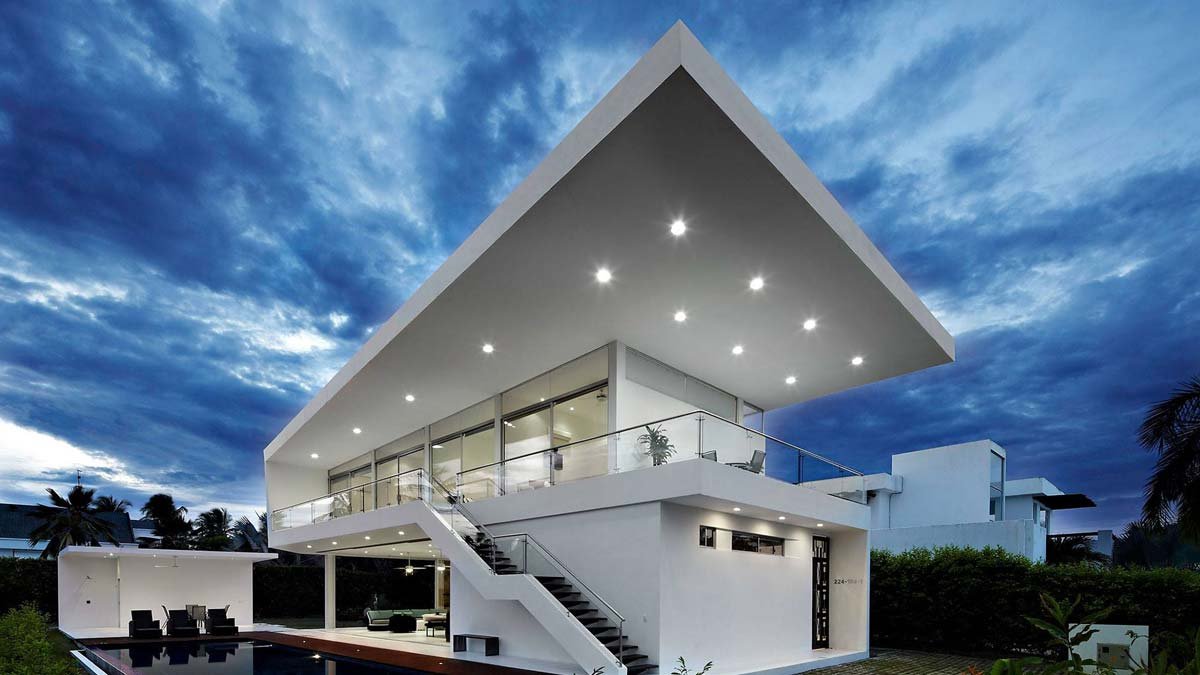
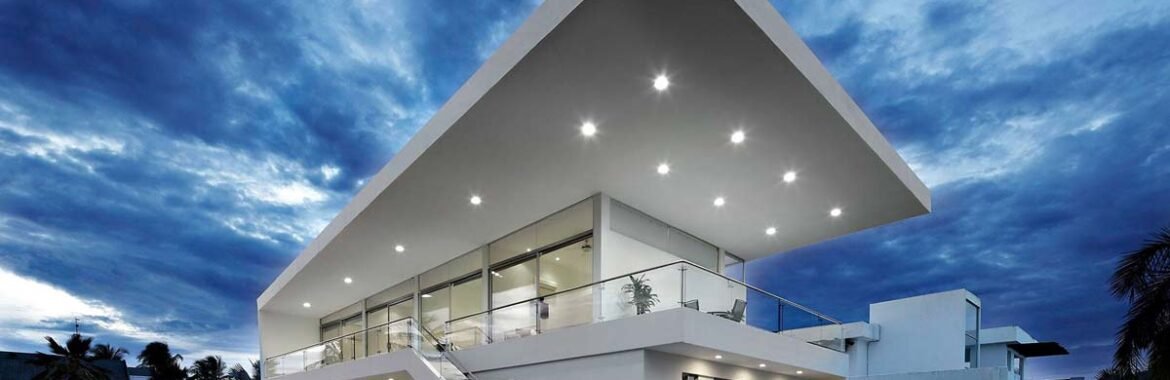
- Signature roof structures
- Grand entrance experiences
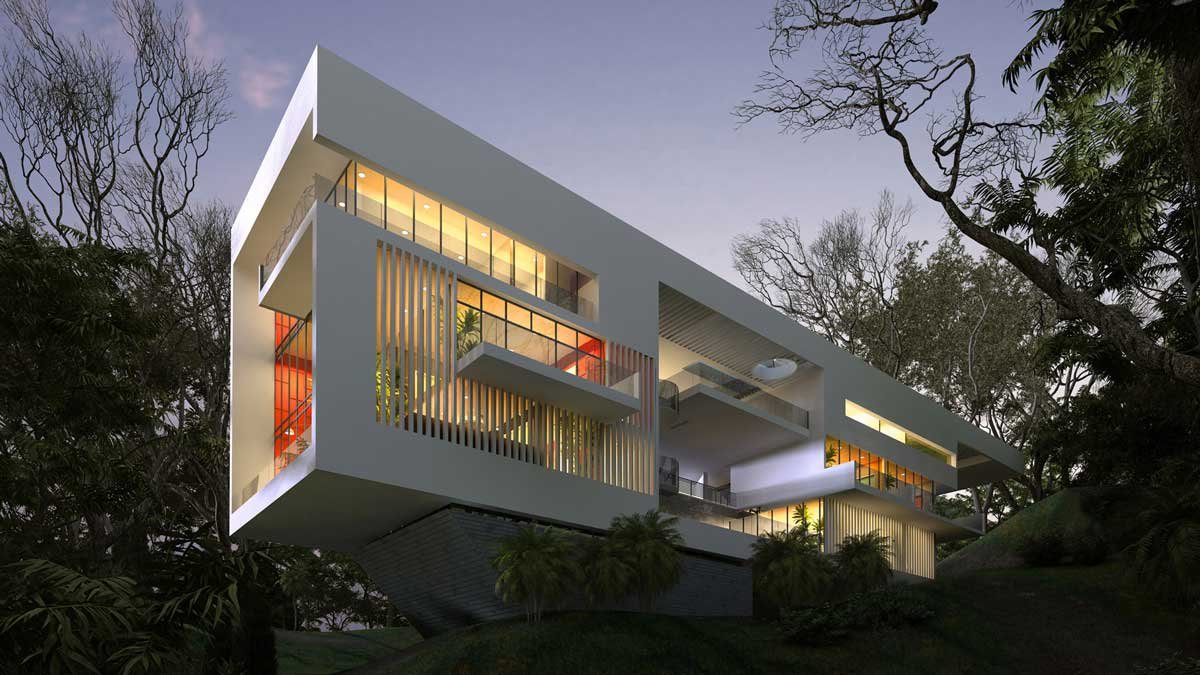
- Unique building forms
- Innovative façade designs
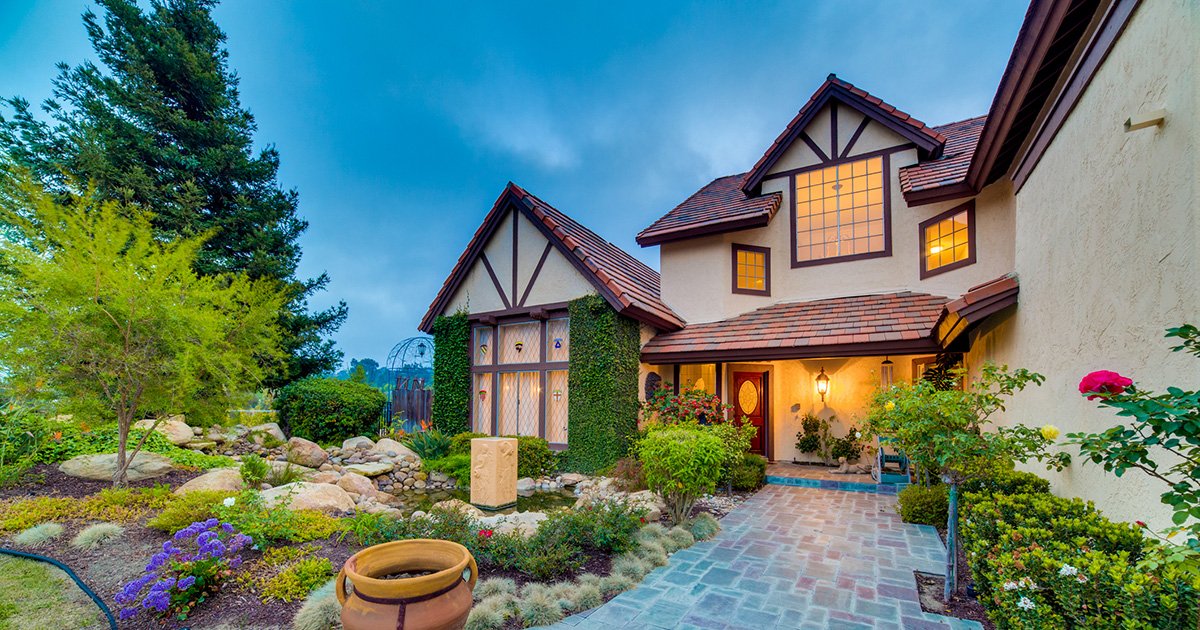
- Artistic landscape integration
- Thematic architectural concepts
These elements transform resorts into destinations that guests remember, photograph, and recommend.
For investors and developers, strong architectural identity can significantly enhance property value and market positioning.
Technology and Smart Infrastructure
The integration of modern technology has become an essential aspect of contemporary resort development.
Smart infrastructure may include:
- Intelligent lighting systems
- Automated climate control
- Smart room technologies
- Advanced security systems
- Digital guest services
- Energy monitoring systems
These technologies improve operational efficiency while enhancing guest convenience and comfort.
As digital expectations continue to evolve, resorts that embrace smart infrastructure are better positioned to meet future market demands.
Investment Value of Smart Architectural Design
Beyond aesthetics and guest satisfaction, smart architecture directly contributes to investment performance.
Well-designed resorts often benefit from:
- Higher occupancy rates
- Premium room pricing
- Increased guest retention
- Lower maintenance costs
- Stronger market differentiation
- Greater long-term asset appreciation
Investors increasingly evaluate architectural quality when assessing hospitality opportunities because design excellence often translates into financial performance.
Developments that combine strategic location, quality construction, and innovative design typically enjoy stronger demand and long-term growth potential.
The Future of Resort Architecture
As guest expectations continue to evolve, resort architecture will increasingly focus on personalization, sustainability, wellness, and technology integration. Future developments are likely to feature even greater connectivity with nature, flexible spaces, smart technologies, and environmentally responsible construction methods.
Developers who embrace these trends today are creating destinations that remain relevant, desirable, and competitive for years to come.
Conclusion
Creating iconic resort spaces requires much more than attractive buildings. It demands a thoughtful balance of design, functionality, sustainability, guest experience, and long-term vision.
Through smart architecture, resorts can become more than just places to stay—they can become destinations that inspire, engage, and deliver lasting value to guests, developers, and investors alike.
As the hospitality and real estate industries continue to evolve, intelligent architectural design will remain one of the most powerful tools for creating exceptional destinations and shaping the future of resort development.